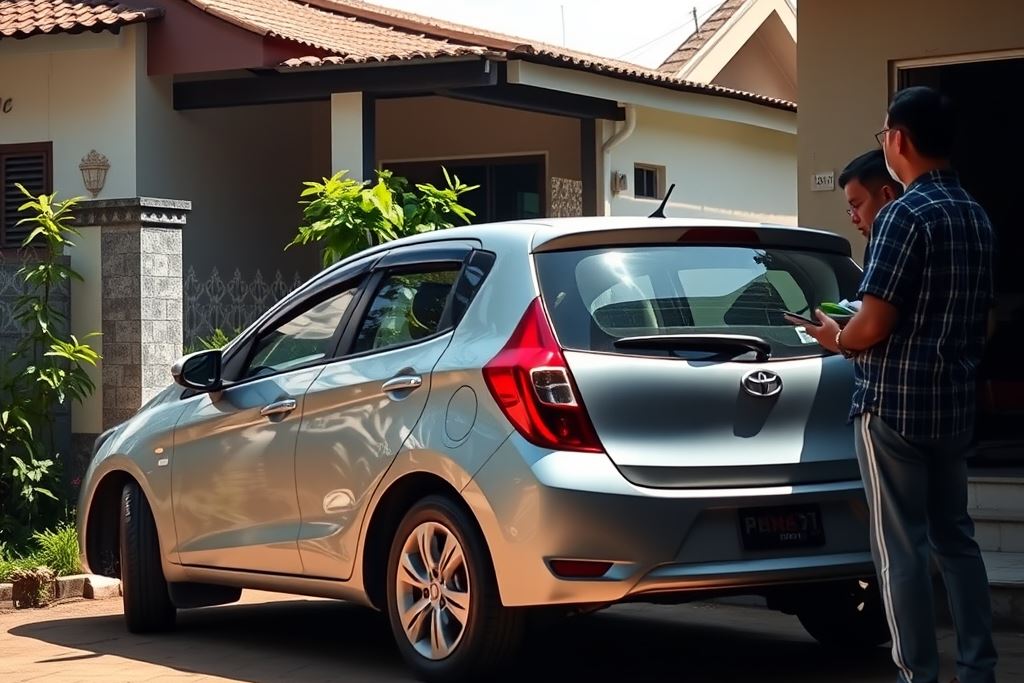
Paperwork before paintwork
Start with the documents. The registration, service book and any warranty papers should agree with each other and with the mileage on the dashboard. Gaps in the service record are not automatic deal-breakers, but they should be reflected in the price.
Ask why the car is being sold and listen for a consistent story. A private seller who can explain the ownership history and produce receipts is easier to trust than one who insists everything is fine but has no records.
Walk around the body in daylight
Look along each panel at eye level for ripples that suggest repainting after an accident. Check the gaps around doors and the bonnet: uneven spacing often means a panel has been replaced or badly refitted. Do this in daylight, never under warm showroom lighting.
Inspect the tires for matching brands and even wear. Mixed tires on the same axle are a sign of poor maintenance, while worn edges can point to an alignment problem that will cost money after purchase.

Inside the car and under the bonnet
Sit in every seat and test the belts, air conditioning, windows and all the electrical controls. A musty smell suggests water ingress, which can mean a blocked drain or a much more serious flood history. Check that the warning lights illuminate when the ignition is switched on.
Under the bonnet, look for fresh sealant, cracked hoses and fluid stains around the engine and gearbox. Check the oil and coolant levels. A car that has been cared for usually looks tidy in the places owners rarely photograph.
- Documents Registration, service book and receipts that match the odometer.
- Exterior Panel gaps, paint finish, glass, lights and matching tires.
- Interior Seats, belts, electrics, air conditioning and any damp smell.
- Mechanical Cold start, fluid levels, hoses, brake feel and a short road test.
The test drive tells the truth
Start the engine from cold and listen for rattles or smoke. Drive on a familiar route that includes rough pavement and a roundabout. Listen for knocks over bumps, feel for steering pull and check that the gearbox changes smoothly under gentle and firm acceleration.
Brake firmly once when safe to do so. A steering wheel that pulls or a pedal that feels soft needs investigation before you agree on a price. These are the faults that turn a bargain into an expense.

A cheap car with a mystery history is never cheap. The discount is simply paid later.
Knowing when to walk away
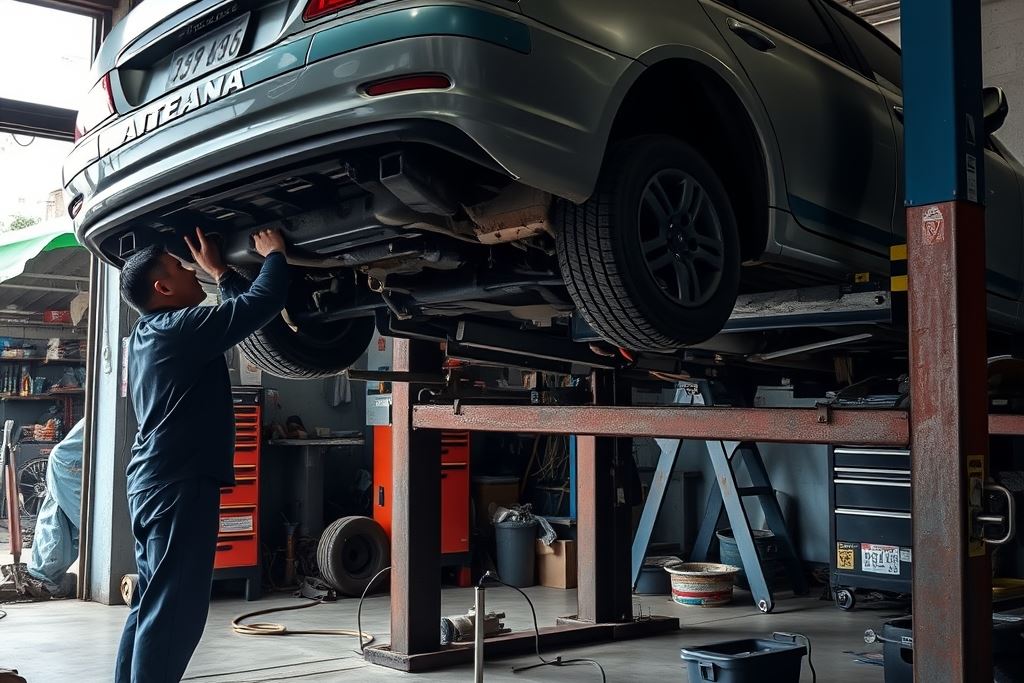
If the seller refuses an independent inspection, treat that as your answer. A qualified workshop can put the car on a lift, scan the fault codes and spot structural damage in under an hour. The fee is small compared with a mistaken purchase.
A good used car is not perfect; it is honestly described and priced for its condition. Walk away from the car that needs too many justifications, and keep looking for the one that simply makes sense.

How we checked
We followed this routine on eleven private sales over three months, then compared our findings with independent workshop reports. Six cars were rejected after the inspection; the remaining five were priced with the discovered faults taken into account.
Spotted an error? Please contact us — we read every message.