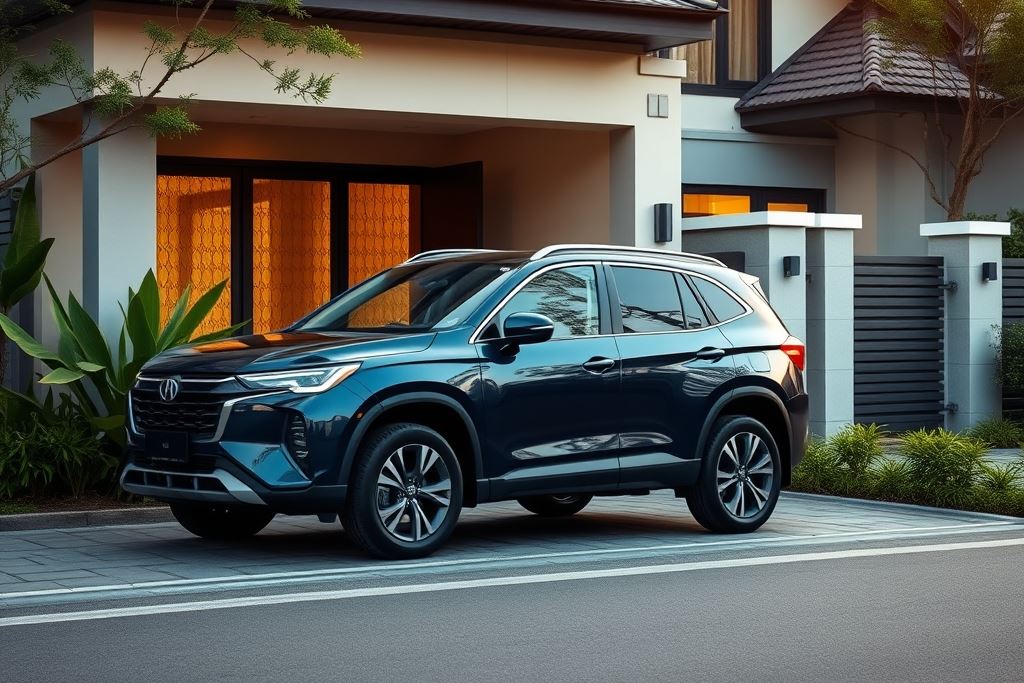
How we judged a family car
A family SUV has to do ordinary things well: fit two child seats without forcing the front passenger forward, swallow a stroller without removing a wheel, and stay calm in slow traffic. We spent a week with each car on the same loop of city streets and motorway.
We scored loading height, door aperture, rear visibility and the number of stable cup holders. It sounds trivial until you are balancing a hot drink, a school bag and a tired toddler at a junction. Those small details decide whether a car is genuinely easy to live with.
Compact choices for city families
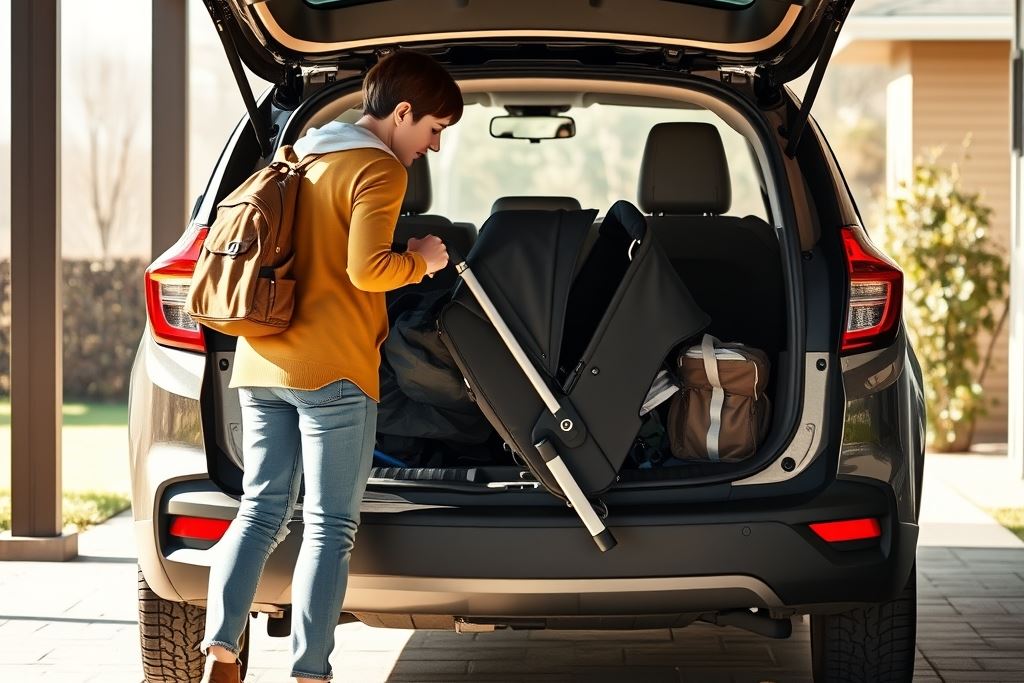
The best compact SUVs in our test were not the ones with the largest boot on paper. They were the ones with a wide opening and a low loading lip. A slightly smaller number of litres used every day beats a bigger cargo area that requires lifting a stroller over a high bumper.
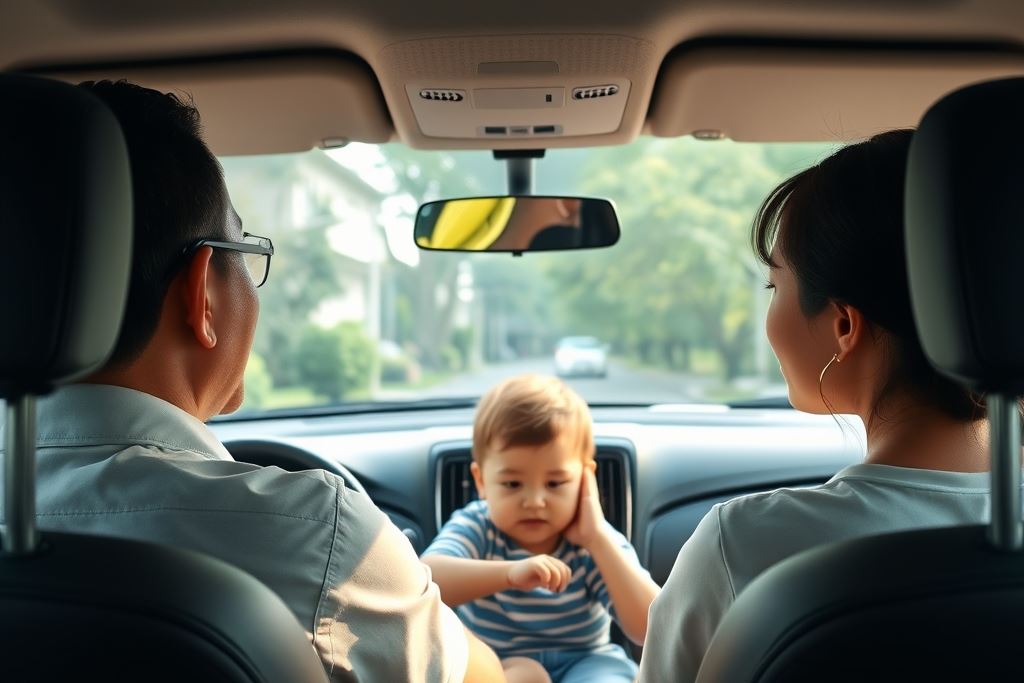
Rear-seat legroom is the next constraint. Installing two child seats side by side is possible in several compact models, but it can make the front seats unusable for tall adults. Check this in the showroom with the actual seats you own.
Seven-seat reality check
A third row is useful occasionally, but it consumes boot space whenever it is not in use. We asked an adult to sit in the back of each car for twenty minutes. Only three contenders managed it without complaints about knee room or headroom.
If the third row is for occasional guests rather than daily passengers, a five-seat car with a larger boot may suit your family better. Test the exact arrangement you will use before paying for extra seats.
- Child seats Install your real seats and check that the front passenger still has room.
- Loading Fit a folded stroller and a week of groceries without dismantling the boot.
- Visibility Check the rear camera and the view over your shoulder in reverse.
- Urban drive Drive the same route with the same passengers in every contender.
Running costs that surprise owners
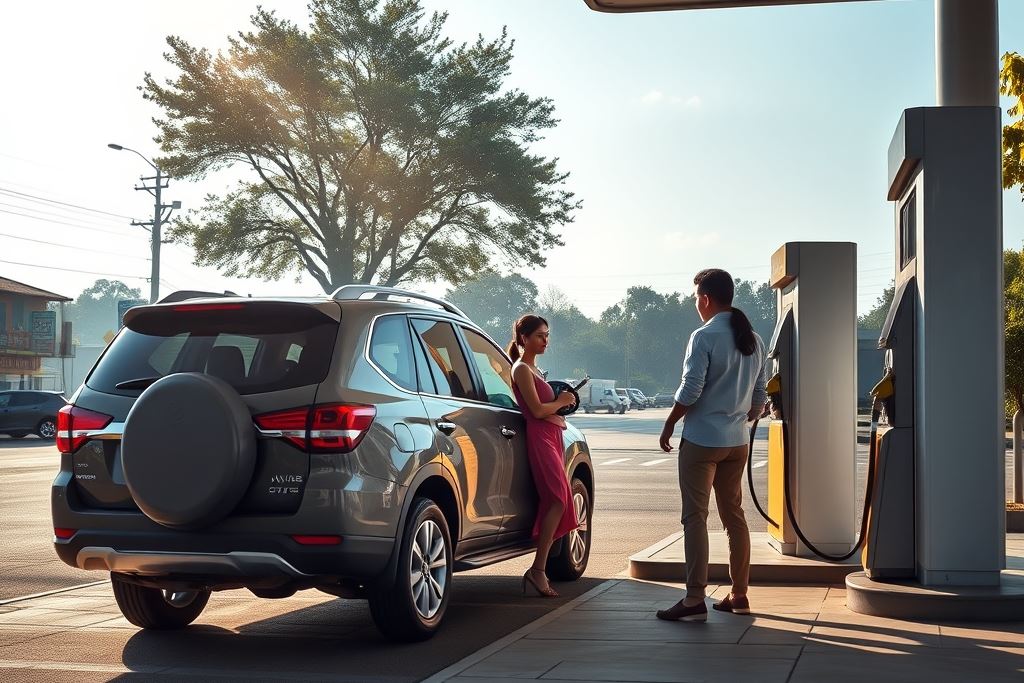
Fuel consumption varied by more than thirty percent across the test cars on identical routes. Hybrid systems helped most in traffic, while larger turbocharged engines were relaxed on the motorway but expensive in the city.
Tyre replacement is another overlooked cost. Some SUVs use large, low-profile tires that are noisy and pricey to replace. Ask for the tire size and the price of a single replacement before committing to a long-term purchase.
A family car succeeds on the boring days. If the school run is easy, the rest takes care of itself.
Our pick and who it suits
For most families, a well-equipped five-seat compact SUV with a hybrid powertrain made the most sense. It fits the daily routine, costs less to run and parks easily. The seven-seat winner is a better choice only if the third row is used every week.
Take the shortlist to a dealership with your family and your gear. A test drive with an empty car tells you very little about how the car will fit the life you actually lead.
How we checked
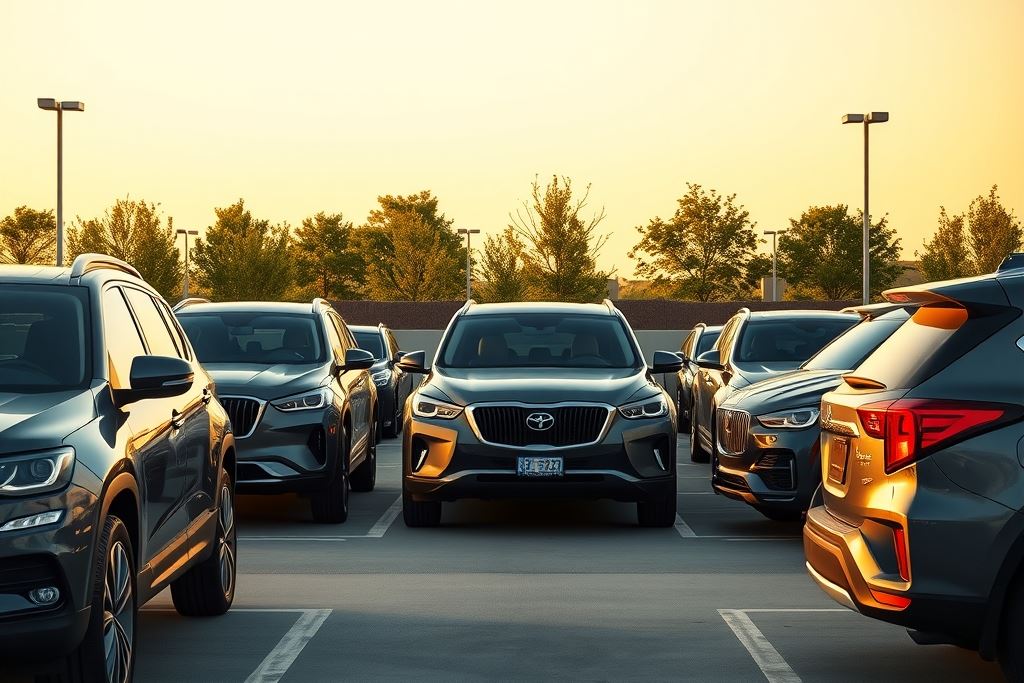
Seven SUVs were driven over the same 120-kilometre mixed route with two child seats fitted. Fuel was measured by filling to the same pump point, boot space was assessed with identical luggage, and every car was assessed by the same three passengers.
Spotted an error? Please contact us — we read every message.