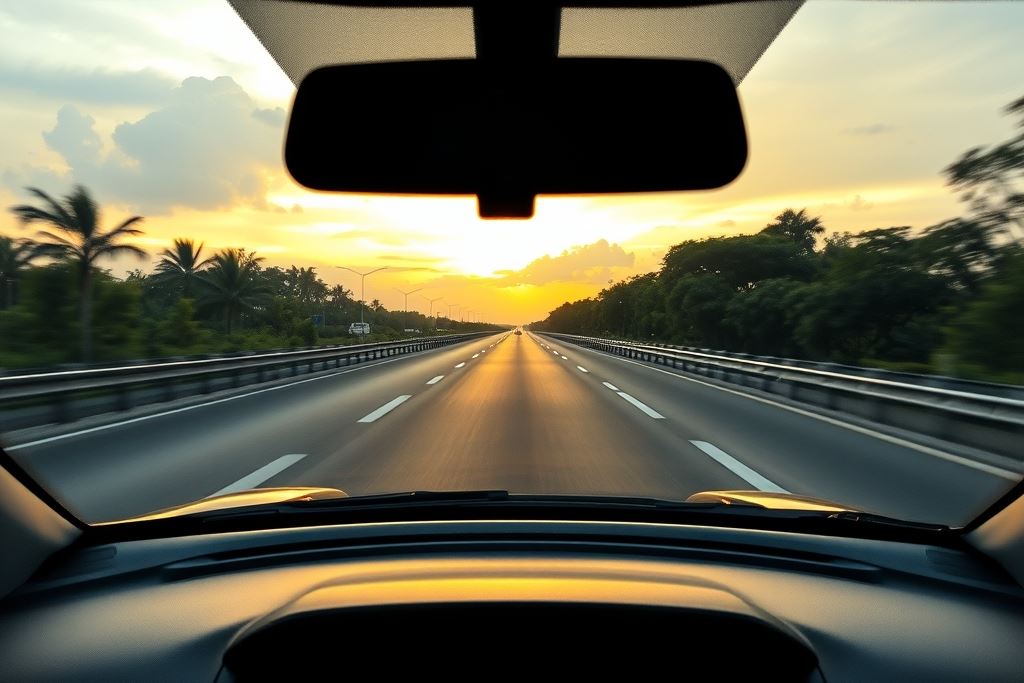
What the car actually sees
Modern driver-assist systems combine a forward camera, one or more radar units and a ring of small ultrasonic sensors. The camera identifies lane markings, traffic signs and the shape ahead. Radar measures how far away an object is and how quickly that distance is changing.
Ultrasonic sensors are the short-range specialists used for parking and blind-spot warnings. None of these parts understands the road the way a person does. The computer makes a best guess from clean data, and a muddy badge or a cracked windscreen can remove a vital piece of that data.
Why systems behave differently in bad weather
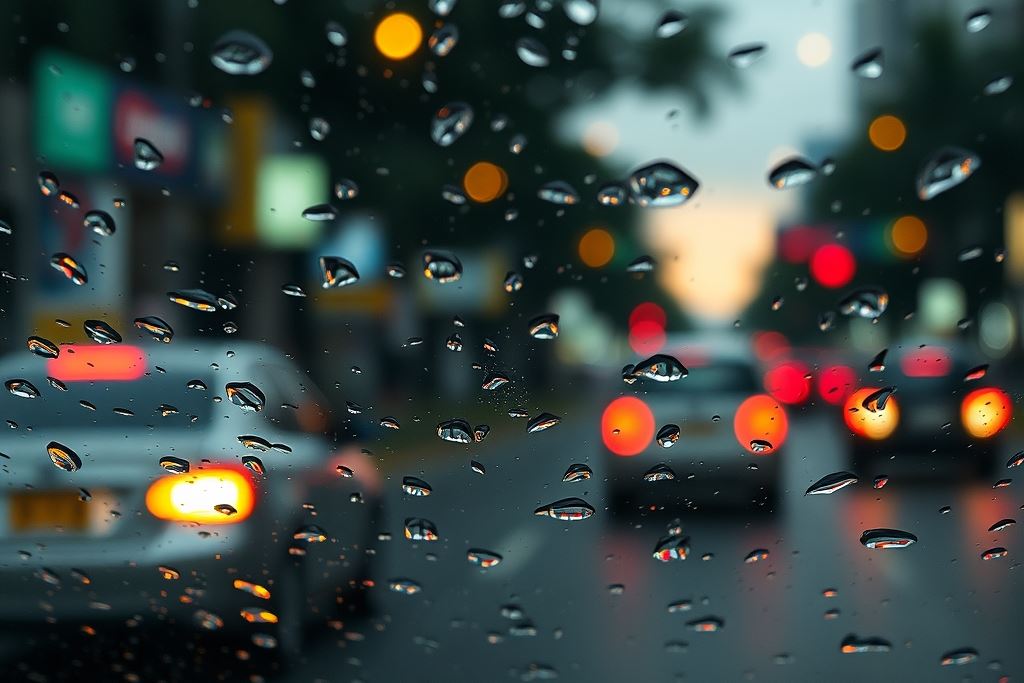
Heavy rain, fog and direct sunlight confuse cameras. Radar continues working in conditions where a camera sees almost nothing, which is why manufacturers blend the two. Even then, a system may slow down or switch itself off when it loses confidence.
A dashboard message asking you to clean the sensors is not a suggestion. A thin layer of dust or a badly applied ceramic coating over the camera area can reduce detection range enough to change how the car brakes in an emergency.
Adaptive cruise, lane keeping and emergency braking
Adaptive cruise control manages speed and distance in traffic. It is excellent on a steady motorway and poor at a busy junction where pedestrians cross between lanes. Lane keeping nudges the steering toward the centre of a marked lane; it cannot follow a road whose markings have faded.
Automatic emergency braking is the most valuable of the three because it reacts faster than a person in a straight-line collision. It is not designed to steer around an obstacle or to detect a child who steps out from behind a parked car at a sharp angle.
- Before driving Check that cameras and radar areas are clean and undamaged.
- On the motorway Use adaptive cruise as a convenience, with your foot ready to intervene.
- In town Expect the system to miss cyclists, cones and sudden pedestrian movements.
- After service Ask whether any calibration is needed following glass or bumper work.
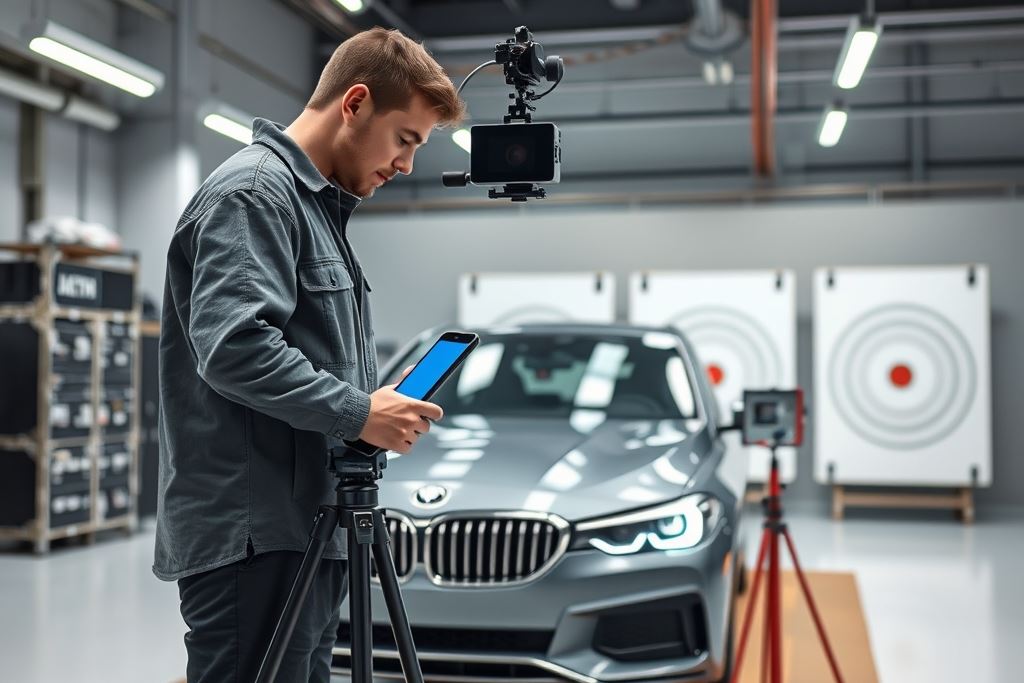
What calibration involves after repairs
Replacing a windscreen, a bumper or even a headlamp can move a sensor by a few millimetres. That is enough to misalign the system. Calibration uses targets, a level floor and a scan tool, and it should be part of the quote for that repair.
Skipping calibration may leave the car drivable while the assist functions quietly underperform. Ask for the before-and-after report in writing, especially if your insurance is paying for the repair.
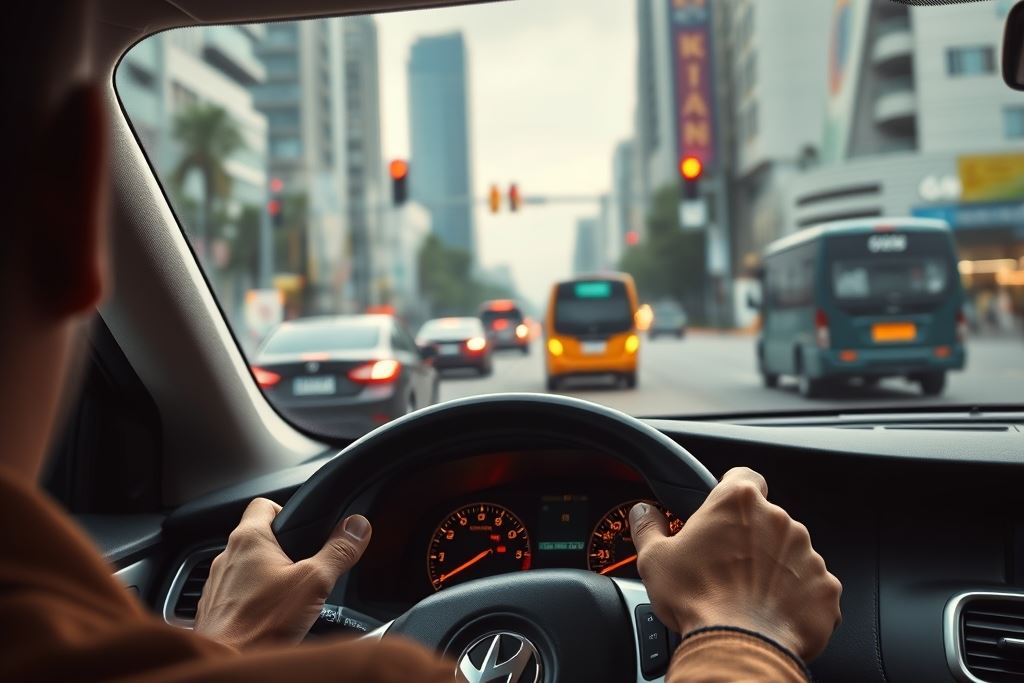
Driver assist is a safety net with holes in it. Your attention is what makes the net work.
Living with the technology safely
Treat every assist as a second pair of eyes, never as a replacement driver. Keep a safe following distance even when the car manages the throttle, and place your hands where you can take over in under a second.
Learn the exact behaviour of your own car. The warning sounds, the steering corrections and the distance settings differ between brands. Ten minutes with the manual in a quiet car park teaches more than a hundred online videos.
How we checked
We reviewed owner manuals from six manufacturers and observed the systems during a 900-kilometre mixed-route drive covering city traffic, motorways and heavy rain. Workshop staff demonstrated calibration procedures on two vehicles with front-camera assemblies removed.
Spotted an error? Please contact us — we read every message.