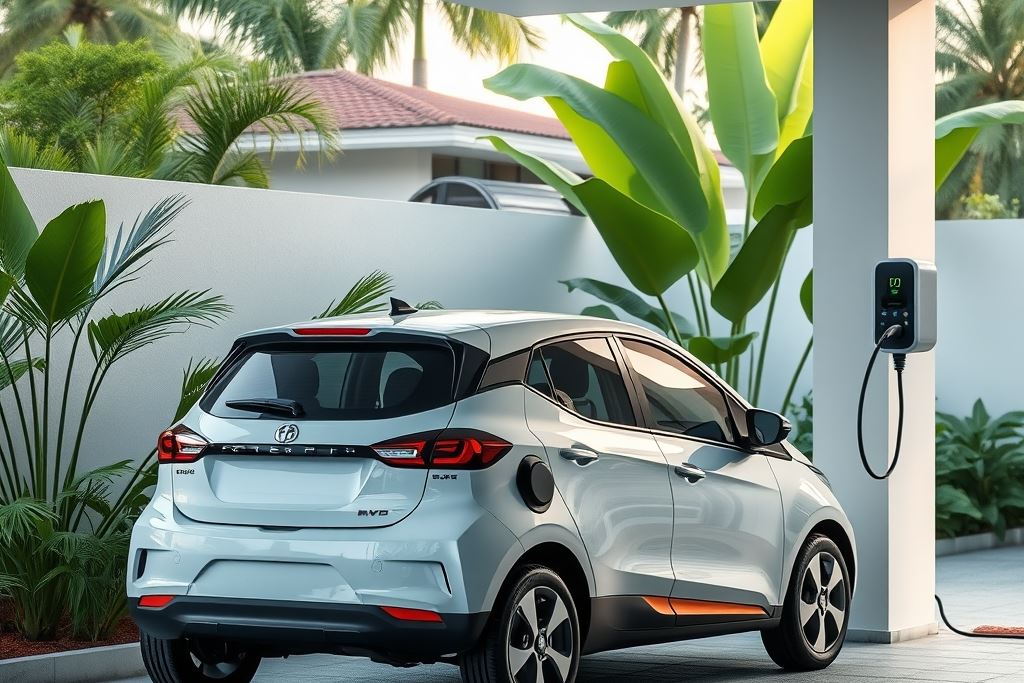
Start with what your car can accept
Charging speed is limited by the weaker of the charger and the car. A vehicle that accepts 11 kW will not charge faster on a 22 kW wallbox, while a car limited to single-phase AC will ignore the extra capacity entirely. Read the on-board charger specification before choosing hardware.
For most households, a 7 kW unit is the sensible balance. It is fast enough to refill an empty battery overnight and gentle enough to avoid the heat and cost of higher-power equipment. Three-phase power is useful only if your property already has it.
What installation actually involves
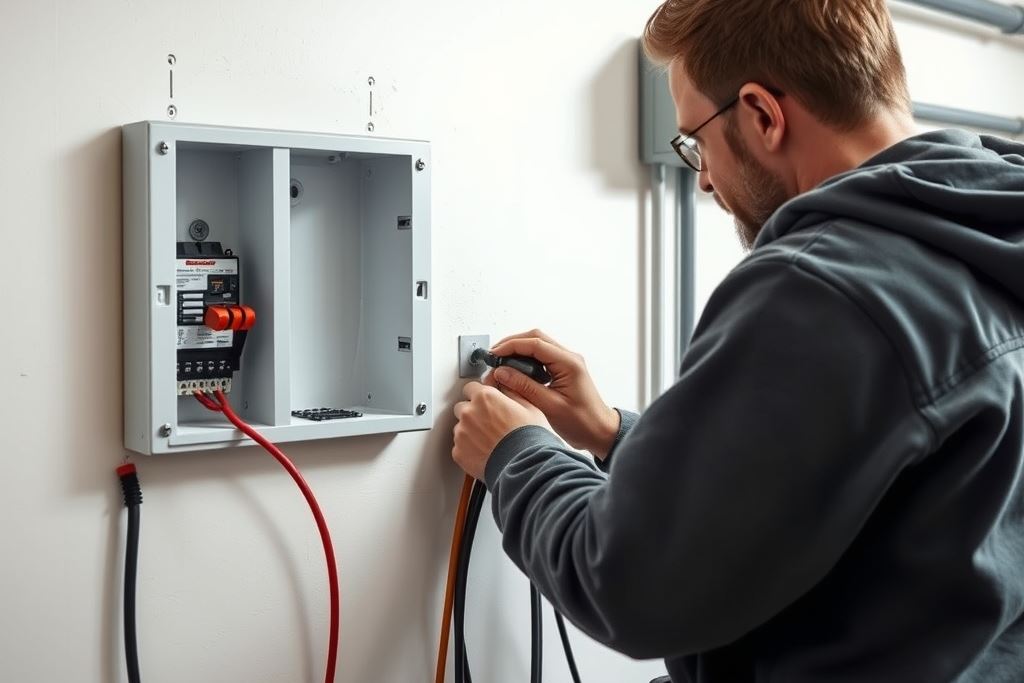
A proper installation runs a dedicated cable from the distribution board to the charger location, with the correct breaker, earthing and protection devices. The electrician should also check that the existing supply can carry the extra load alongside air conditioning and water heating.
In apartments and housing complexes, approval from the building manager comes before any drilling. Cable routes through shared walls, fire regulations and parking allocation all affect where the unit can go. Get that permission in writing to avoid paying twice.
Working out the real running cost
Divide the battery capacity by the charging efficiency to estimate the energy drawn from the wall. A 60 kWh battery typically needs about 66 kWh for a full charge. Multiply that by your electricity rate, off-peak if available, to get a realistic figure per full tank.
Compare that with the price of fuel for the same distance rather than with a single litre price. In city traffic, an electric car often uses a third to a half of the energy cost of a petrol equivalent. Public rapid charging narrows that advantage considerably.
- Check supply Confirm single or three-phase capacity with a qualified electrician.
- Choose power Match the wallbox rating to the car on-board charger, not the marketing maximum.
- Get approval Secure written permission for any shared or rented property.
- Set a schedule Charge overnight on the cheapest tariff and set a sensible charge limit.
Cable management and weather protection
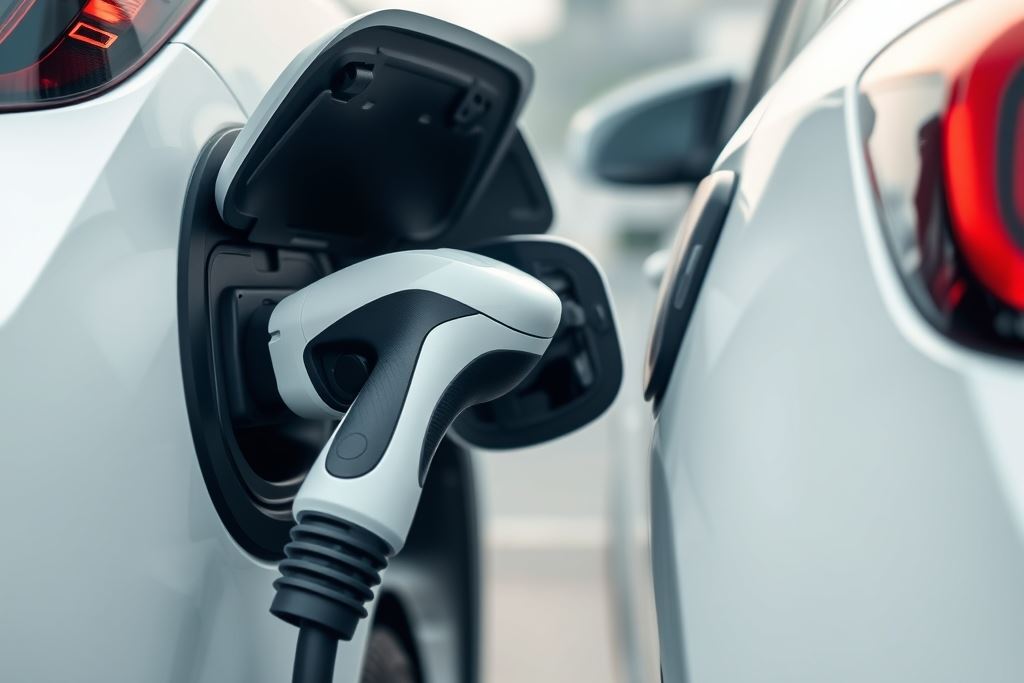
A wall-mounted unit with a holster keeps the connector off the ground and away from wheel paths. If you must use a portable cable, avoid trailing it across a pavement where neighbours can trip. A simple cable reel designed for EV use is cheaper than a damaged connector.
Outdoor chargers need a weather-rated enclosure and protection from direct midday sun where possible. In humid coastal areas, corrosion on the connector is a real issue, so choose a model with a sealed mounting and inspect it during routine car washes.
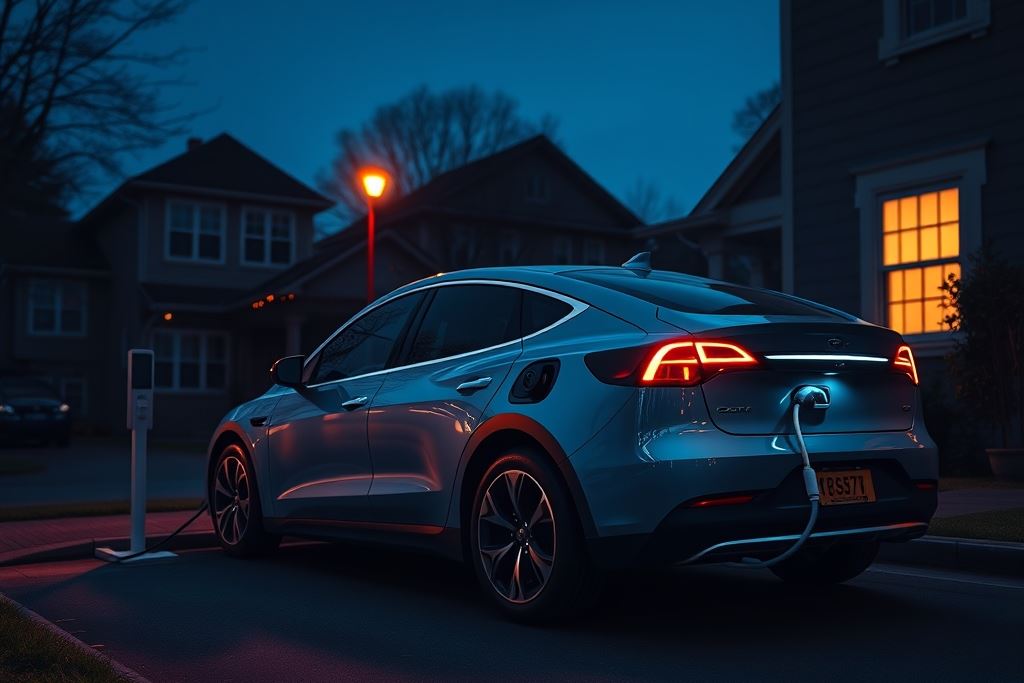
The best home charger is the one you never think about. It simply has the car ready each morning.
Living with the routine
Most owners settle into a pattern: plug in when they park, set a charge limit around eighty percent for daily use and let the scheduled session finish before morning. There is no need to charge to one hundred percent every night, and doing so slowly accelerates battery wear.
If your electricity provider offers a night tariff, the savings are meaningful over a year. Once the routine is established, charging stops being a decision and becomes as automatic as plugging in a phone.
How we checked
We reviewed installation quotes for three property types, interviewed two certified electricians and measured charging sessions on a 60 kWh compact SUV over six weeks. Cost estimates use published residential tariffs and a measured ten percent charging loss.
Spotted an error? Please contact us — we read every message.