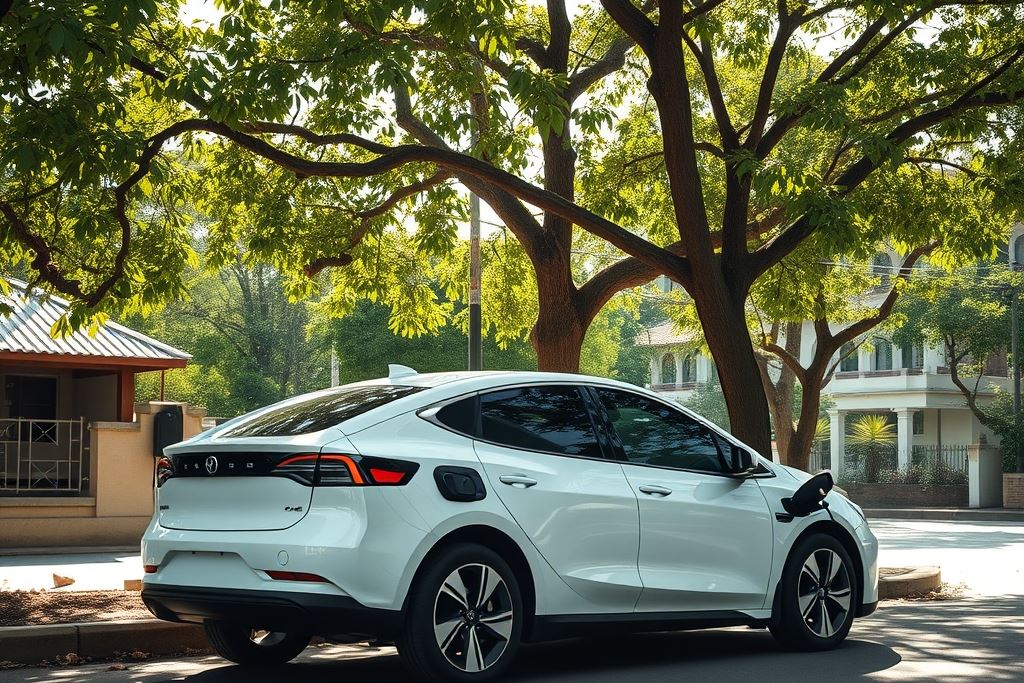
Understand what actually ages a battery
An electric car battery degrades for two main reasons: time and the conditions under which it is charged. High state of charge, high temperature and frequent rapid charging all add stress, especially when they happen together.
That does not mean you should fear fast chargers or full batteries. It means you should match the behaviour to the trip. A full charge before a long drive is exactly what the car was designed for; sitting at one hundred percent in a hot car park for three days is not.
Set a sensible daily window
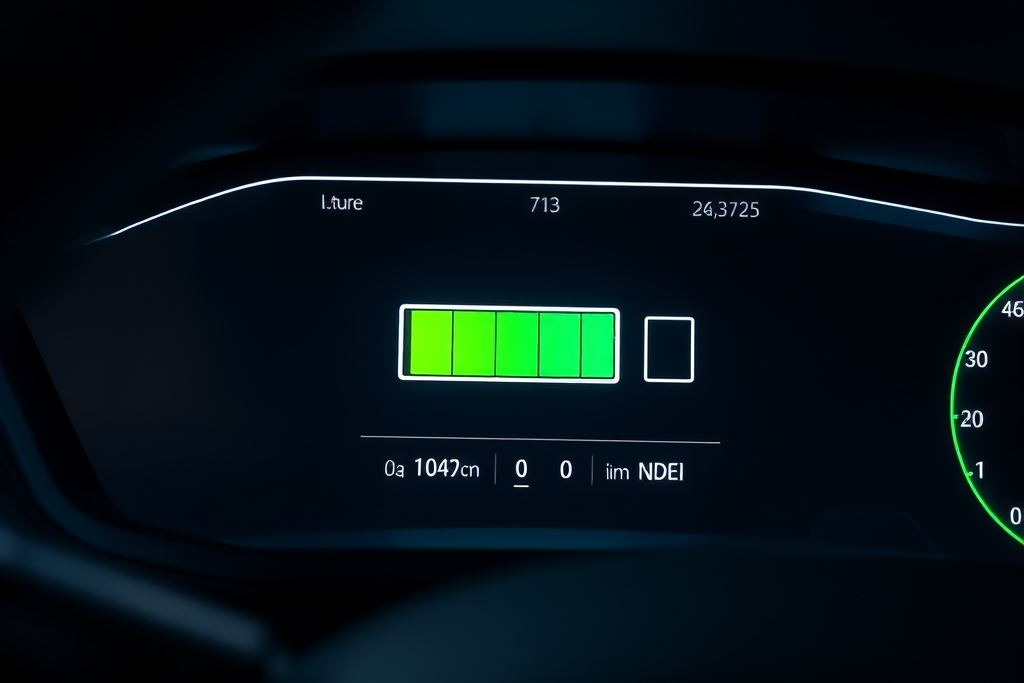
For ordinary commuting, set the charge limit somewhere between eighty and ninety percent and let the car drop toward twenty percent before recharging. This middle band is where lithium-ion cells are happiest, and the loss of usable range is rarely noticed in daily driving.
Use one hundred percent only when you need it, then drive soon afterwards. Many cars let you schedule the charge to finish just before departure, which keeps the battery at a high state of charge for the shortest possible time.
Heat is the quiet opponent
In hot climates, parking in shade makes a real difference. A battery that sits at forty degrees Celsius and a full state of charge ages faster than one parked cool at half charge. If you have a choice of parking, take the covered spot.
Preconditioning the cabin while the car is still plugged in uses grid power rather than battery power to warm or cool both the passengers and the pack. In humid weather it also clears the windscreen before you leave, saving another small slice of range.
- Daily limit Set a charge ceiling around eighty to ninety percent for commuting.
- Overnight Schedule charging to finish near departure time rather than early evening.
- Heat Park in shade and precondition while connected to the charger.
- Long trips Charge to one hundred percent only when the route needs the range.
Rapid charging without the guilt
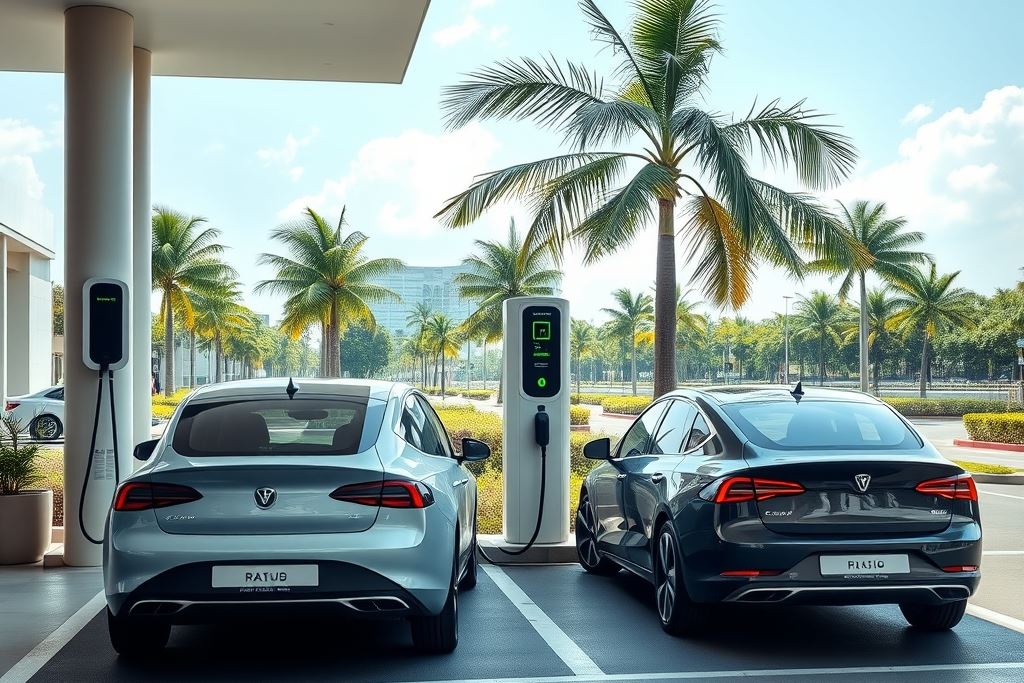
Rapid charging heats cells because energy arrives quickly. Modern battery management systems manage that heat well, and occasional use for road trips has a small effect compared with years of daily use. Choose a charger that is not at maximum output when a slower one is free and you are not in a hurry.
Arriving at a fast charger with a low rather than a high state of charge usually means faster charging too, because the car can accept more power in the early part of the session. Planning stops around twenty percent is often quicker than topping up from seventy.
The healthiest EV battery is not babied. It is simply charged for the trip you are actually taking.
What to watch over the years
Most cars report state of health in the settings menu or companion app. Check it every few months rather than every week; normal seasonal variation in range is not the same as permanent degradation. Keep records of the weather and the charge level if you want a fair comparison.
If the car is parked for an extended period, leave it near fifty percent and check it occasionally. A battery stored empty can become unstable, while one stored full in the heat ages unnecessarily.
How we checked
We logged charging sessions, ambient temperatures and reported state of health on two electric cars over twelve months. Recommendations were cross-checked against published battery research and the charge-limit guidance in five owner manuals.
Spotted an error? Please contact us — we read every message.