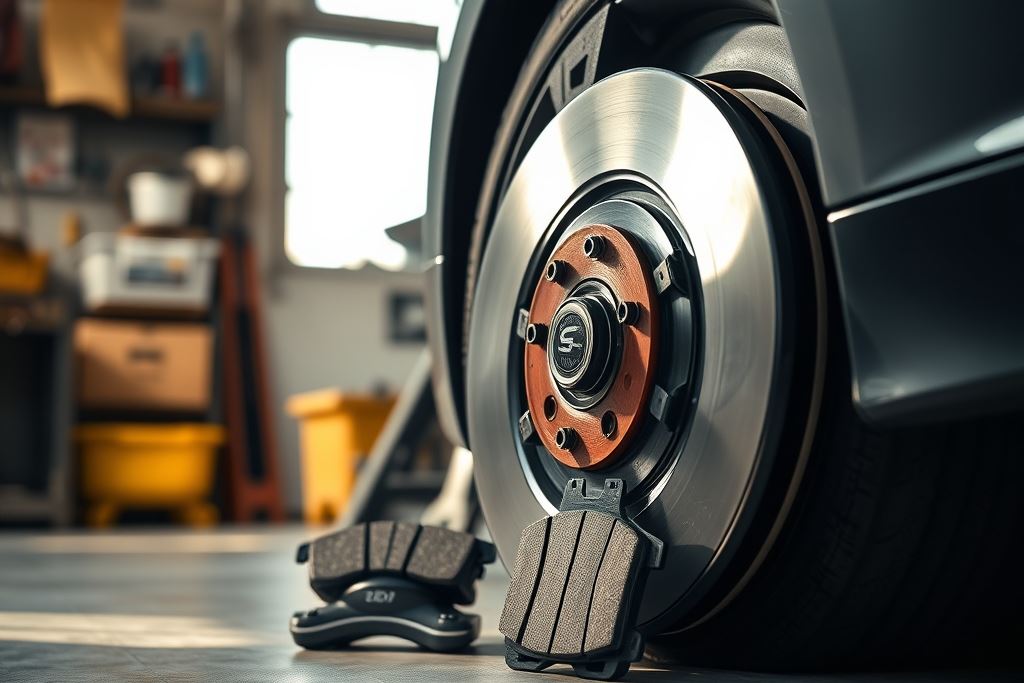
The signs that pads are finished
A high-pitched squeal when you brake is usually a small metal tab telling you the friction material is nearly gone. A deeper scraping sound is more serious: you may already be braking metal on metal, which damages the disc and raises the repair bill sharply.
A longer stopping distance or a pedal that sinks further than usual can also indicate worn pads, though fluid problems and air in the system produce similar symptoms. Have the pads measured physically before deciding what to buy.
Choosing the right pad material
Ceramic pads are quiet, produce little dust and suit daily driving. Semi-metallic pads handle higher temperatures and suit spirited driving or heavy loads, but they can be noisier and wear the disc faster. Organic pads are gentle and inexpensive, with a shorter life.
Match the material to your car and your driving rather than to the most aggressive label on the shelf. For a family car in city traffic, a quality ceramic or low-dust compound from a reputable maker is usually the best balance.
What a proper replacement includes
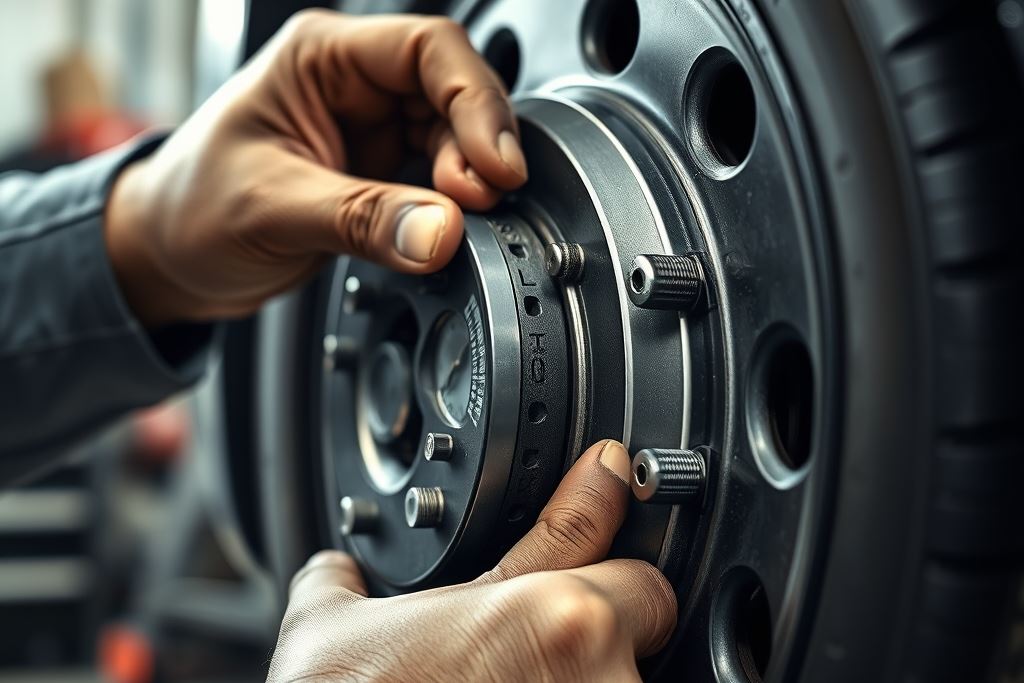
A good workshop measures the pad thickness and disc condition, cleans the caliper slide pins and checks for uneven wear before quoting. Replacing pads without cleaning the slides can leave one pad rubbing and the car pulling to one side.
Pads are sold as an axle set. Replacing a single wheel saves a little today but unbalances braking and can cause uneven disc temperatures. Always fit the new pair together and bed them in according to the manufacturer instructions.
- Measure Check remaining friction material against the maker minimum, usually around 3 mm.
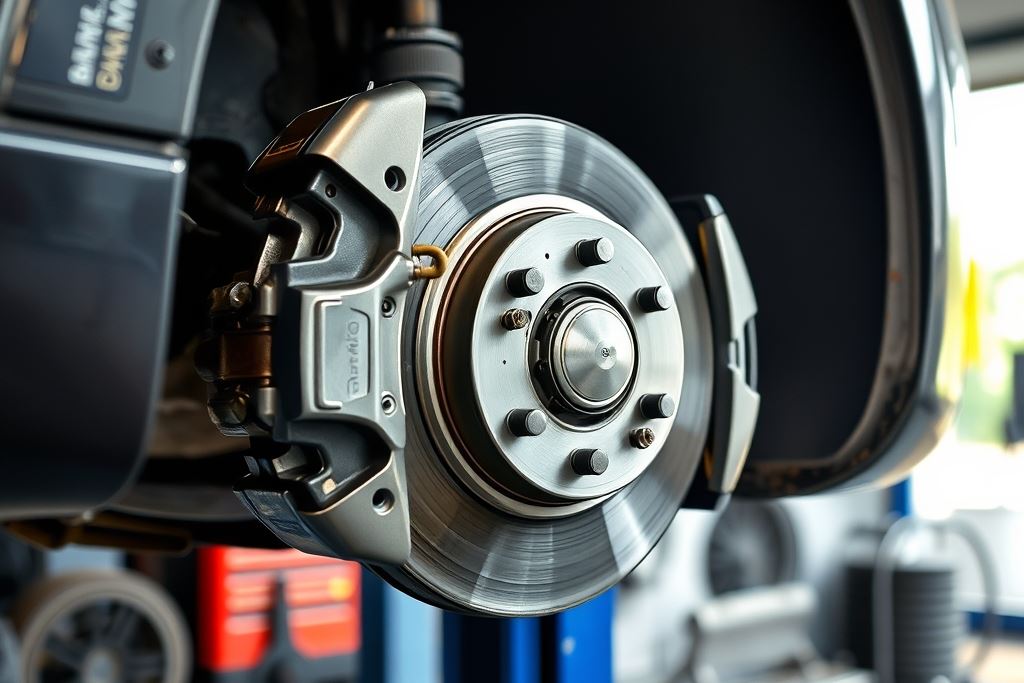
- Inspect Look at disc thickness, scoring and caliper slide movement.
- Replace Fit pads as an axle pair with fresh hardware and correct lubricants.
- Bed in Follow the gentle braking cycle recommended by the pad maker.
Cost, lifespan and honest expectations
City driving with frequent stops wears pads faster than motorway driving. A set may last 30,000 kilometres in one car and 60,000 in another, depending on weight, traffic and driving style. There is no universal interval that applies to every vehicle.
The cheapest pad is rarely the best value. It may stop well when new but wear quickly, squeal from day one or score the disc. Compare the price per kilometre using the expected life, and include the cost of a disc if the current one is close to its limit.
Brake pads are cheap compared with the discs they protect. Replace them early and the rest of the system lasts.
When the job needs a specialist
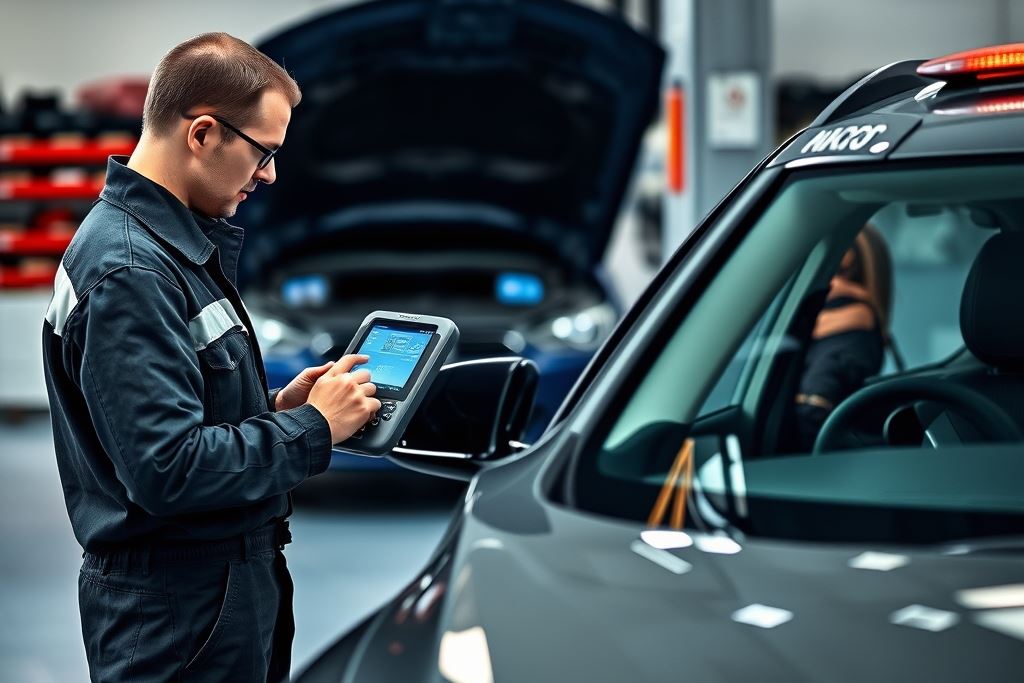
Modern cars with electronic parking brakes or complex calipers often need a scan tool to retract the mechanism. Attempting the job without the right equipment can damage the caliper motor. If your car has an electric handbrake, make sure the workshop has the correct tool.
Brakes are not the place to experiment. A professional fit with a torque wrench and a road test is worth far more than the labour saved by doing half the job at home.
How we checked
We compared four pad compounds on the same hatchback over 5,000 kilometres of mixed driving, measuring wear, dust and noise. Two independent workshops reviewed the fitting procedure and the bedding advice given to customers.
Spotted an error? Please contact us — we read every message.