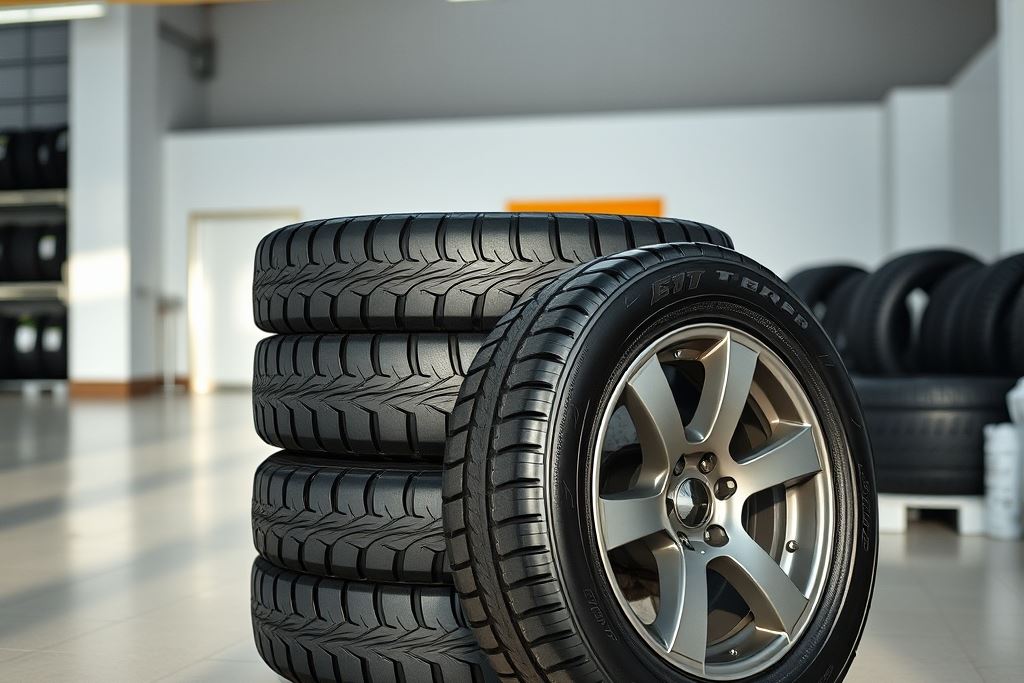
Decoding the sidewall in one minute
A marking such as 205/55 R16 91V describes width, profile, construction, load index and speed rating. The first three determine whether the tire fits; the last two determine whether it can carry the car and cope with its performance.
Never change size without checking the manual or a reputable fitment guide. A wider tire may look better but can rub on full lock, alter the speedometer and increase fuel use. For most drivers, the original size remains the best choice.
The date code nobody checks
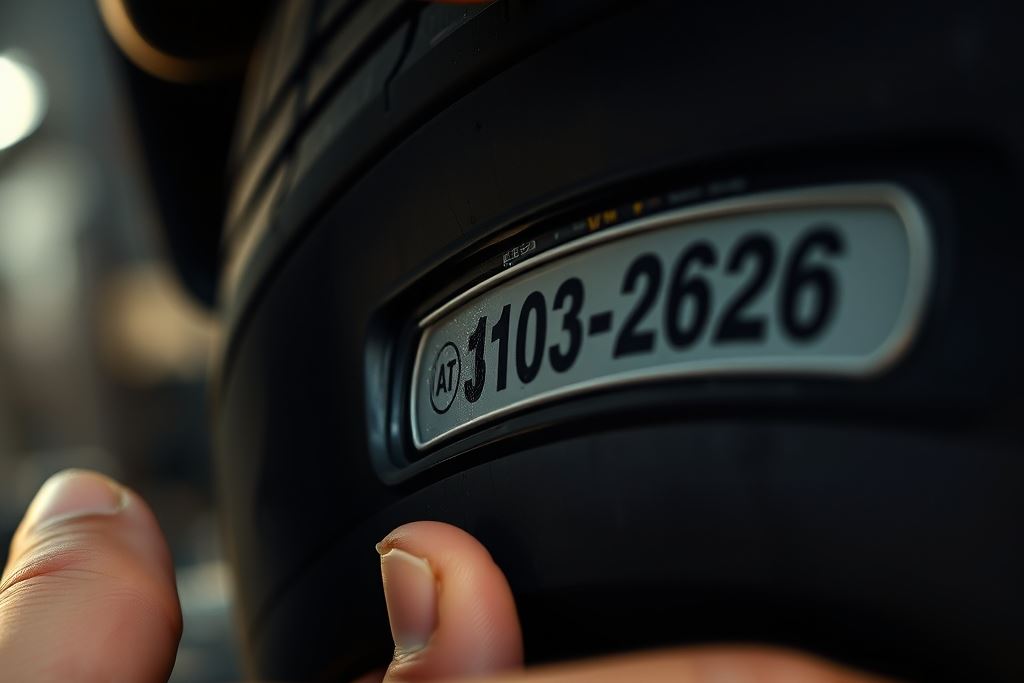
Every tire carries a four-digit date code showing the week and year of manufacture. A tire that has sat in a warehouse for five years is older than its tread suggests, because rubber hardens with time. Many makers recommend replacing tires after six years regardless of tread depth.
Ask the fitter to show you the date code before fitting. If a shop tries to sell stock that is more than two years old without discounting it, look elsewhere. Fresh stock costs the same and lasts longer.
Where extra money actually helps
Wet braking is the clearest safety difference between budget and premium tires. Independent tests regularly show several metres of difference in stopping distance from 80 km/h on a wet road. That gap is worth paying for if you drive in tropical rain.
Low rolling resistance saves a little fuel but sometimes reduces wet grip. Read the label rather than trusting the marketing. A balanced tire with a good wet rating is a better buy for most families than an extreme option that excels in only one category.
- Size Confirm width, profile, rim diameter, load index and speed rating from the manual.
- Date Check the four-digit manufacture code on every tire before fitting.
- Label Compare wet grip, rolling resistance and noise ratings across brands.
- Aftercare Balance, align and check pressures after the first 200 kilometres.
Fitting, balancing and alignment
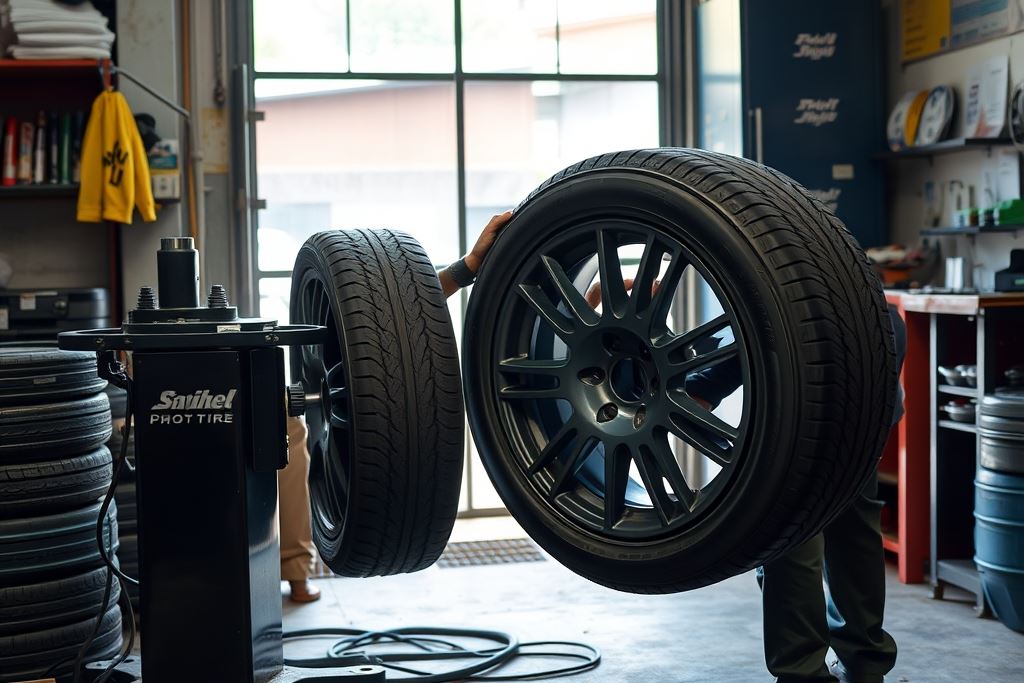
A good fitter uses a torque wrench, never an impact gun set to maximum, and applies a thin layer of mounting paste where appropriate. Balancing prevents vibration at speed; alignment prevents the new tires from wearing unevenly within a few thousand kilometres.
If the car pulled to one side before the change, alignment is not optional. New tires on a worn suspension will wear quickly and hide the original fault until the replacements are ruined.
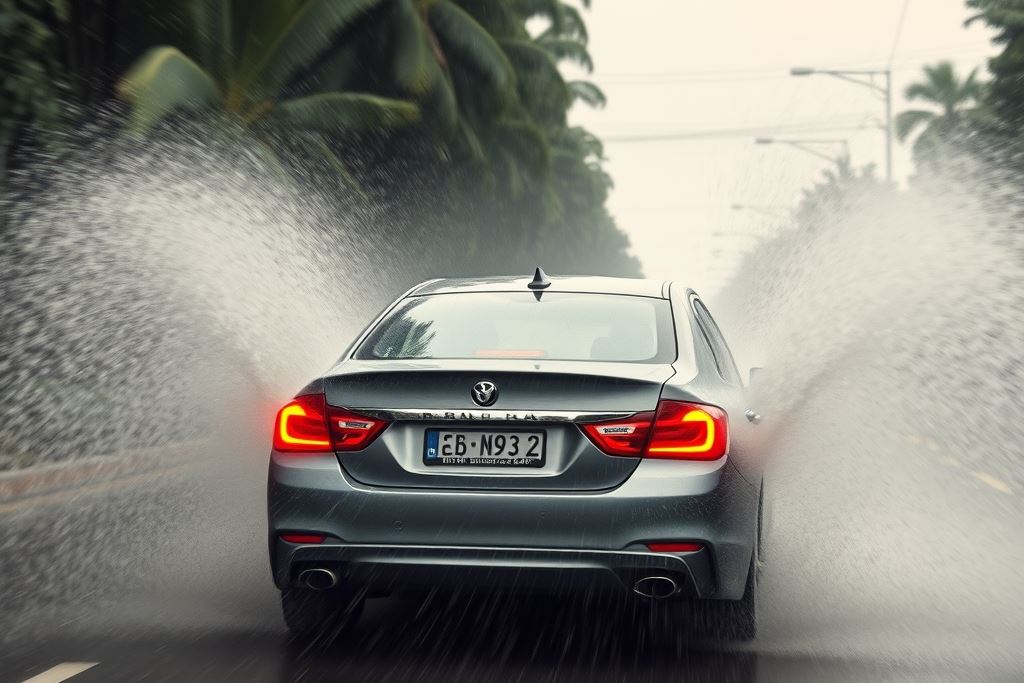
You can replace almost anything else later. The four patches of rubber on the road cannot be postponed.
Making the budget make sense
Compare tires on cost per kilometre rather than sticker price. A mid-range tire with a strong wet rating and a long tread life often beats a budget option that needs replacing a year earlier and brakes worse in the rain.
Replace tires in pairs on the same axle at minimum, and keep the best pair on the rear to maintain stability in wet conditions. Your tires are the only part of the car touching the road; treat them as safety equipment, not as an accessory.
How we checked
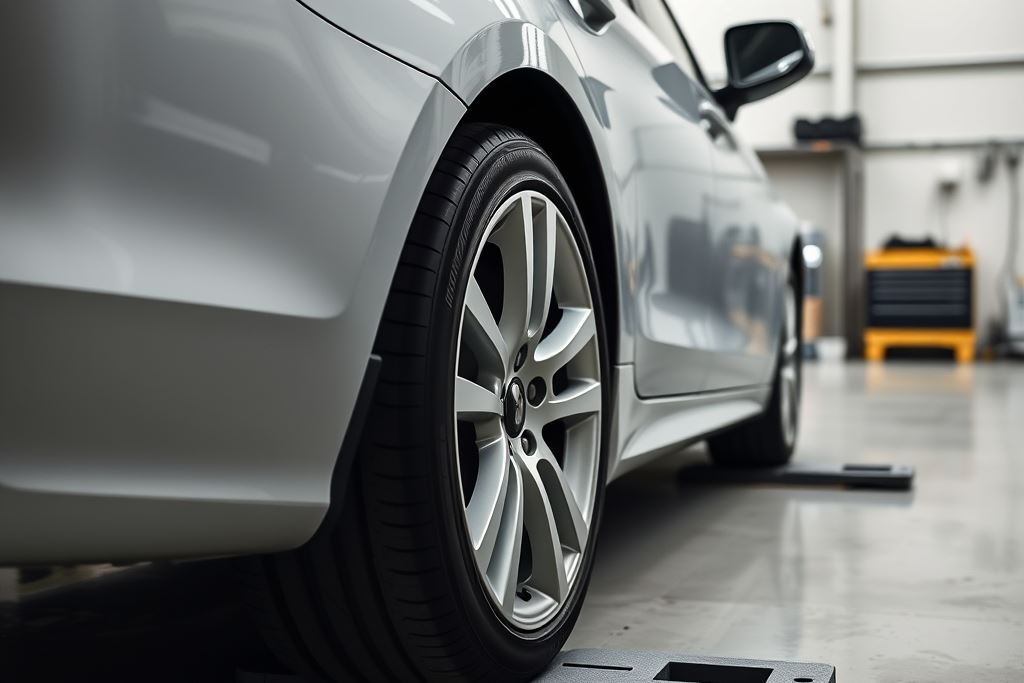
We compared published wet-braking and rolling-resistance results from independent tire tests with real fitment quotes from six shops. Two fitters demonstrated date-code checks and balancing procedure on the same family hatchback.
Spotted an error? Please contact us — we read every message.